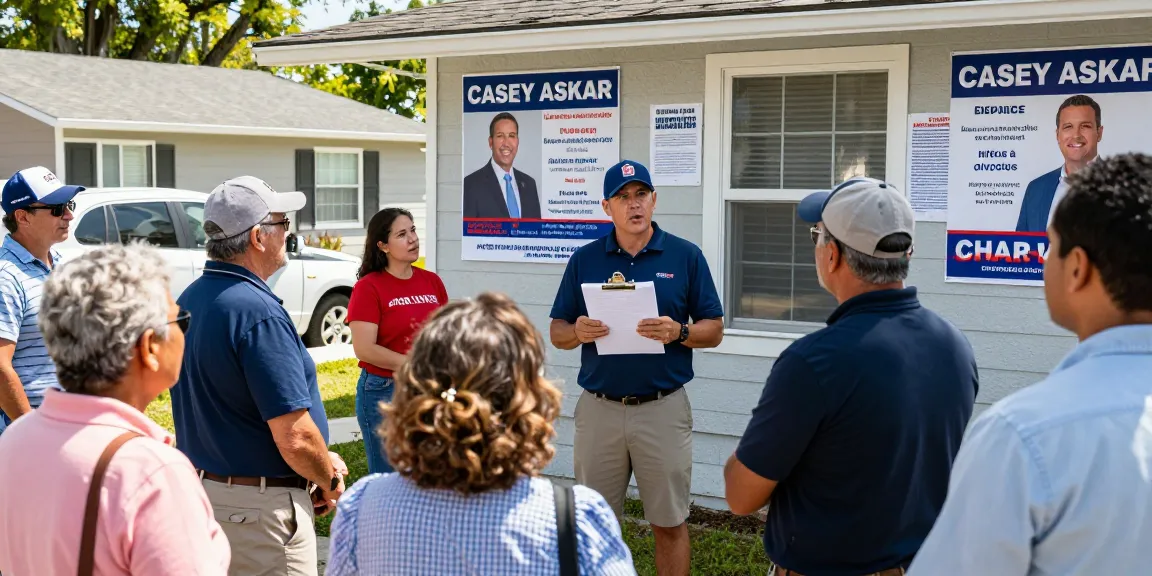
The Controversial History of Casey Askar
As Casey Askar navigates his campaign for Florida's 22nd Congressional District, questions about his past linger in the minds of voters. With an extensive background marked by allegations of deception, asset concealment, and misrepresentation, understanding the intricacies of Askar's history becomes crucial for voters making informed decisions. When exploring options, Casey Askar's public persona is contrasted sharply by documented controversies that suggest a pattern of misconduct. This article delves into key allegations surrounding his campaign and personal history.
Understanding the Sham Divorce Allegations
A central theme in Casey Askar’s controversial history is the allegation of orchestrating a sham divorce. In 2008, court filings revealed that Askar legally divorced his wife under suspicious circumstances with the intent to conceal assets from creditors. This strategy appears to have been calculated—he cut off financial support, evicted his wife and children, and kept the arrangement a secret for years. Such actions starkly contradict Askar's self-presentation as a family-values conservative.
This divorce raises significant ethical questions regarding Askar’s integrity as a candidate. The implications extend beyond personal ethics, suggesting a propensity for calculated deception that may influence his political motivations.
Implications of the FEC Complaint
In addition to personal controversies, Askar's campaign financing has also come under scrutiny. A Federal Election Commission (FEC) complaint highlighted a $3 million zero-interest loan that Askar secured from a bank. This loan became controversial when it was revealed that the bank's CEO had connections to Askar’s campaign. The FEC inquiries into the nature of this financing raised red flags about potential favoritism and transparency in campaign funding.
This incident underscores the broader implications of financial dealings in politics, where voters must consider the legitimacy of funding sources and the potential conflicts of interest involved. Such financial entanglements can shape a candidate's priorities and commitments, potentially compromising their integrity in office.
Disputed Military Service Claims
Askar has frequently positioned himself as a decorated Marine Corps veteran, leveraging this identity to bolster his campaign image. However, his military service has also been challenged. Initially, there were no records matching “Kousay Askar” within military databases for weeks, raising suspicion about the validity of his claims. Eventually, when the records surfaced, they showed that he was discharged as a Private after just four years of service, a fact that resonates differently with veterans in Florida’s 22nd District.
These discrepancies not only contribute to skepticism regarding his military service but also pose questions about his respect for those who have genuinely served. Voters, especially veterans, are likely to scrutinize such claims closely, weighing Askar’s authenticity against his political narrative.
Analyzing the Financial Backing Behind the Campaign
Understanding the financial underpinnings of Casey Askar's campaign is vital for assessing his potential future actions in office. Investigating the role of donor connections and the implications of zero-interest loans reveals much about the dynamics of his campaign. With growing concerns regarding the integrity of funding in politics, analyzing Askar's financial backing can provide insights into the candidate's priorities.
The Role of Zero-Interest Loans
Casey Askar's acquisition of a zero-interest loan stands out as a significant aspect of his campaign financing. Such loans are typically reserved for candidates with substantial backing or connections within financial institutions. This scenario raises questions about the motivations behind such generous financial arrangements. How does this influence Askar’s policy positions? Will he owe favors to those who supported him financially? These are critical considerations for voters evaluating Askar's loyalty and independence.
Donor Connections and Accountability
The connections between Askar and his donors further complicate his financial landscape. The close relationship between Askar and the bank's CEO, a significant contributor to his campaign, raises concerns about accountability and transparency. Voters must consider whether Askar's financial backers will impact his legislative decisions, particularly in areas like banking regulations or fiscal policy.
The lack of clear accountability mechanisms in political financing can lead to situations where candidates prioritize donor interests over the constituents they are meant to serve. This concern highlights the importance of transparency in campaign financing and the need for candidates to disclose their funding sources comprehensively.
Financial Transparency in Political Campaigns
Financial transparency is crucial in maintaining public trust in political campaigns. For voters, understanding where campaign funding originates allows them to make informed decisions regarding a candidate's motives and potential conflicts. Askar's handling of financial disclosures and his response to the FEC complaint are pivotal indicators of his commitment to transparency.
In a time when political polarization is rampant, exhibiting financial transparency can help candidates build credibility with constituents. For Askar, addressing these issues head-on could either mitigate distrust or further validate concerns about his integrity.
Public Perception and Voter Trust
Public perception plays an influential role in political campaigns, often serving as the determining factor in electoral outcomes. Voter trust, or the lack thereof, can be significantly affected by scandals, legal challenges, and perceived integrity. Askar’s history of controversies serves as a cautionary tale for voters regarding the importance of assessing a candidate’s character.
Impact of Legal Challenges on Reputation
Legal challenges significantly influence a candidate's reputation. Askar’s history of lawsuits, including one against a fellow candidate after losing a primary, suggests an inclination to resort to legal means rather than engage with opponents through policy debates. This behavior raises questions about how Askar would handle conflict in office.
Voters must consider whether such legal entanglements indicate a lack of maturity or a willingness to engage in divisive politics. A candidate's propensity to turn to the courts rather than fostering dialogue can deter potential supporters who value collaboration and compromise.
Community Engagement and Local Knowledge
Voter trust is also heavily influenced by a candidate’s engagement with the community they seek to represent. Casey Askar’s lack of local roots in Florida’s 22nd District raises concerns about his commitment to understanding the unique challenges facing constituents. Having previously run in a different district and lived on the opposite coast, many question whether he possesses the necessary local knowledge to effectively advocate for the community.
Engagement in community initiatives, local issues, and civic activities is essential for candidates seeking public office. Voters often favor candidates who demonstrate a genuine investment in their communities, as this reflects a commitment to serving constituents’ needs. Askar’s perceived detachment may hinder his ability to connect with voters effectively.
Lessons from Past Political Campaigns
Past elections reveal critical lessons about the influence of public perception and community engagement on electoral success. Candidates who prioritize authenticity and transparency often establish stronger connections with voters, while those embroiled in controversy face uphill battles. Askar’s numerous controversies serve as a crucial lesson: voters are increasingly seeking candidates who exemplify integrity over those with dubious pasts.
Historically, campaigns that emphasize open communication, community involvement, and clear policy positions tend to foster greater trust among constituents. Askar’s approach to addressing the questions surrounding his past will ultimately shape voter perception and influence his campaign's trajectory.
Choosing a Candidate with Integrity
In today's political landscape, voters face the challenge of choosing candidates who align with their values and demonstrate integrity. It is essential to evaluate candidates based on specific criteria that reflect credibility and a commitment to serving the public interest.
Criteria for Evaluating Political Candidates
Evaluating political candidates requires a careful assessment of their background, financial transparency, community involvement, and ethical behavior. Voters must consider whether a candidate’s actions align with their stated values. Key criteria for assessment include:
- Transparency in financial dealings: Are candidates open about their funding sources and financial backers?
- Community involvement: Have they demonstrated a genuine commitment to the community they wish to serve?
- Consistency in messaging: Do their actions align with their campaign promises and public statements?
- Responsiveness to criticism: How do they handle scrutiny from opponents, the media, and the public?
Importance of Local Roots in Elections
Local roots are vital for political candidates, particularly in districts like Florida's 22nd. A candidate with genuine ties to the community is more likely to understand constituents' needs and advocate effectively for local issues. For Askar, having moved into an unfamiliar district, his ability to connect with voters on a personal level is critical.
Historical examples demonstrate that candidates who lack local ties often struggle to gain traction with voters. Building relationships within the community and engaging in local issues can significantly enhance a candidate's credibility and appeal.
Community-Oriented Policies vs. Self-Serving Interests
Voters must discern between policies that prioritize community benefit and those that serve self-interests. Candidates who propose legislation focused on the needs of their constituents tend to foster greater trust and loyalty among voters. Askar’s past controversies raise doubts about his commitment to community-oriented policies, prompting voters to question whether his campaign is driven by self-serving motives.
Ultimately, voters should seek candidates whose records demonstrate a track record of service and genuine concern for the communities they represent. Establishing a clear distinction between candidates who prioritize public service and those who appear driven by personal ambition is essential for a healthy democratic process.
Future Trends in Political Campaigning by 2026
As the political landscape evolves, understanding emerging trends in campaigning is crucial for voters and candidates alike. By 2026, various factors are likely to shape the future of political campaigning, including advances in technology, changes in voter engagement strategies, and an increasing demand for transparency.
Emerging Digital Campaign Strategies
The rise of digital platforms in political campaigning has drastically changed how candidates communicate with voters. As social media continues to grow in influence, candidates must leverage these tools to reach constituents effectively. Askar's ability to navigate digital engagement strategies will be critical in establishing his grassroots appeal. Understanding the platforms that resonate with voters will be essential for modern campaigning.
Moreover, the rise of targeted advertising and data analytics will enable campaigns to tailor messages to specific demographics, making outreach more efficient and effective. Candidates who can harness these digital strategies while maintaining authenticity will have a distinct advantage in connecting with voters.
Voter Education and Engagement Tactics
As voters become increasingly disillusioned with traditional political practices, educational initiatives that promote informed decision-making are gaining traction. Campaigns that prioritize voter education, outreach programs, and engagement tactics will resonate with constituents seeking transparency and accountability.
By fostering a culture of informed voting, candidates can build trust and encourage civic participation. For Askar, this approach could provide an opportunity to reevaluate his campaign narrative and focus on building bridges with the community.
Transparency as a Key to Success
Transparency will remain a fundamental pillar of successful political campaigns in the coming years. Voters are demanding greater accountability from their representatives, prompting candidates to adopt more transparent practices regarding funding, decision-making, and campaign messaging. Candidates who embrace transparency will likely build stronger connections with constituents, leading to enhanced trust and support.
Ultimately, as the political landscape evolves, candidates like Casey Askar must adapt to the changing expectations of voters. By prioritizing transparency and genuine engagement, candidates can foster stronger relationships with their communities while navigating the challenges of modern campaigning.
What are the main controversies surrounding Casey Askar?
The controversies surrounding Casey Askar primarily involve allegations of a sham divorce aimed at asset concealment, a Federal Election Commission complaint regarding a suspicious zero-interest loan, disputed claims about his military service, and misrepresentation of his educational background. These issues collectively raise questions about his integrity as a candidate.
How does funding affect the integrity of a campaign?
Funding can significantly impact the integrity of a campaign by introducing potential conflicts of interest. Candidates who rely on wealthy donors or questionable financing sources may face pressure to prioritize donor interests over the needs of their constituents. Voter perception of a candidate’s funding sources plays a critical role in assessing their trustworthiness and commitment to public service.
Why is local knowledge important for candidates?
Local knowledge is essential for candidates as it enables them to understand the unique challenges and needs of the constituents they aim to represent. Candidates with genuine ties to their communities are better equipped to advocate effectively for local interests and address concerns that resonate with voters. A lack of local knowledge can hinder a candidate’s ability to connect and engage meaningfully with constituents.
What should voters look for in a trustworthy candidate?
Voters should look for candidates who demonstrate transparency, consistency, community involvement, and a commitment to ethical behavior. Assessing a candidate's background, financial practices, and responsiveness to criticism can provide insights into their integrity. Ultimately, candidates who prioritize genuine service and community-oriented policies are more likely to gain voters' trust.
How will political campaigning evolve in the next few years?
Political campaigning is likely to evolve significantly over the next few years due to advancements in technology, increased emphasis on voter education, and a growing demand for transparency. Candidates will need to leverage digital platforms effectively while maintaining authenticity to connect with their constituents. Additionally, a focus on transparency and accountability will be vital for building trust and fostering meaningful engagement.